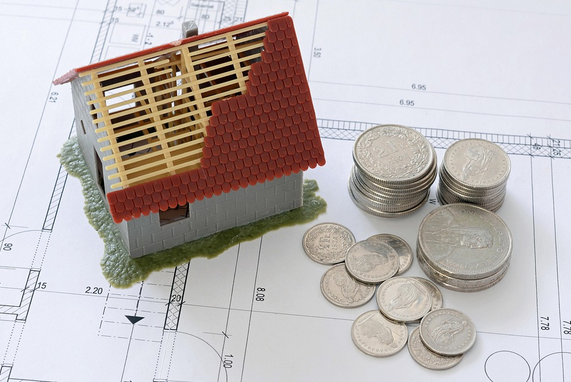
At first glance, two homes on the same street can look almost identical. Same layout, similar size, comparable age, and even matching renovations in some cases. Yet over time, their long-term costs can end up being completely different. On the Gold Coast, this gap becomes even more noticeable due to the coastal climate, humidity, and pest activity. What looks like a simple, straightforward property comparison can turn into a very different financial outcome once maintenance, repairs, and environmental pressures start adding up.
Pest and Moisture Pressure in Coastal Conditions
On the Gold Coast, pests and moisture are constant long-term influences on property condition. Termites, in particular, can cause serious structural damage before any obvious signs appear. Moisture issues can also weaken timber and contribute to mould growth. Many buyers rely on a detailed report from a pre-purchase building and pest inspector to get a clearer picture of what might not be immediately visible during a standard viewing. Two similar homes can still experience different levels of risk depending on landscaping, airflow, and drainage. These environmental variations often explain why one property remains low-maintenance while another starts accumulating repair costs over time.
Quality Differences You Can’t Always See
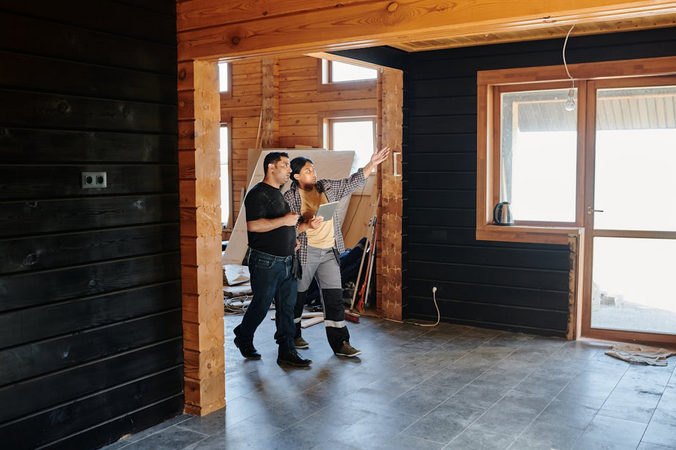
Even when homes appear identical on the surface, what’s inside the structure can vary quite a bit. One property may have been built with stronger materials or more careful workmanship, while another might have been constructed with cost-cutting decisions that aren’t obvious during a quick inspection. Over time, these differences start to show. Small cracks, uneven surfaces, early wear in roofing, or movement in timber framing can become ongoing maintenance issues. These are the kinds of things that slowly separate “similar” homes into very different long-term cost categories.
Hidden Issues That Influence Future Costs
Some of the most expensive problems are the ones that aren’t visible when you first walk through a property. Moisture trapped in walls, minor roof leaks, or early-stage timber damage can exist without obvious signs. These inspections often highlight subtle risks that help explain why two similar homes may behave very differently over time.
Location Within the Same Street Still Matters
Even homes sitting side by side can experience different conditions. One might get more afternoon sun, while another stays shaded and damp for longer periods. One property might sit slightly lower on the block, making it more prone to drainage issues after heavy rain. These small environmental differences slowly affect how materials age. Paintwork, timber, roofing, and foundations can all respond differently depending on exposure, which contributes to long-term cost variation.
Maintenance History Creates Big Gaps Over Time
How a home has been looked after plays a huge role in its future expenses. Two identical houses can end up in very different conditions simply because one was consistently maintained while the other had small issues ignored over time. Regular upkeep, like fixing leaks early, cleaning gutters, and managing ventilation, helps prevent minor problems from escalating. On the other hand, deferred maintenance often leads to compounding damage that becomes more expensive to fix later.
Renovations That Age Differently

Renovations can improve appearance, but they don’t always guarantee long-term durability. A home that has been carefully upgraded with quality materials will usually hold up better over time compared to one where cosmetic changes were prioritised over structural integrity. Sometimes issues are simply covered rather than properly addressed, which can lead to repeated repairs later. This creates another layer of difference between homes that otherwise appear very similar at purchase.
Unexpected Costs That Accumulate Slowly
Insurance, repairs, and general upkeep all contribute to long-term ownership costs. A property with recurring issues or past damage history may end up costing more to maintain and insure over time. Even small, frequent repairs can add up significantly over the years. This is where two similar homes begin to separate financially—not because of one major issue, but because of a steady accumulation of smaller ones.
Two homes can look almost identical on the surface, but still end up with very different long-term costs. Factors like build quality, hidden defects, environmental exposure, maintenance habits, and renovation history all play a role in shaping how a property performs over time.